
I’ve spent enough years shipping software to know that undefeated runs don’t happen by accident. Whether you’re talking about a sports team winning their first championship in nearly a decade or a development team deploying code without breaking production, success comes from discipline, consistency, and the right tools. Docker is one of those tools that, when used properly, can help your team run the kind of flawless operation that feels almost unbeatable.
Why Docker Matters for Modern Development
When I first started using Docker about seven years ago, I’ll be honest—I didn’t get it immediately. I was comfortable with my development environment, and the idea of containerizing everything felt like extra work. Then a simple reality hit me: the code that worked perfectly on my machine didn’t work the same way on the staging server, which didn’t work the same way in production. That’s when Docker clicked.
Docker solves one of the most annoying problems in software development: environment inconsistency. Imagine if an athletic team had to perform with different equipment depending on the day or venue. Their shoes would fit differently. The field dimensions would change. Their training wouldn’t translate directly to game performance. That’s what development without containers feels like.
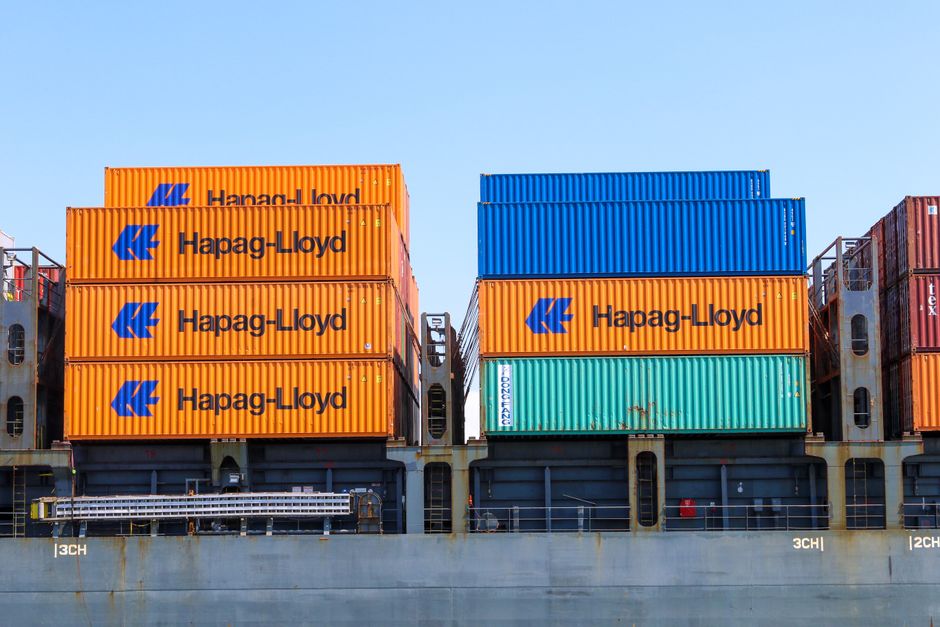
With Docker, you package your application along with all its dependencies—the exact version of Node, Python, PostgreSQL, whatever you need—into a single container. That container runs the same way on your laptop, on a colleague’s machine, on staging, and on production servers. No surprises. No “but it worked for me” arguments.
Building Consistency Across Your Team
One of the biggest wins I’ve seen from Docker isn’t technical—it’s organizational. When every developer on your team is working with the identical environment, onboarding becomes faster. A new engineer doesn’t spend three days fighting configuration issues. They clone the repo, run docker-compose up, and they’re working.
I’ve worked with teams where Docker transformed how we collaborate. Here’s what changes:
- Everyone runs the same database version, so SQL quirks don’t surprise anyone
- All services run at the same versions, preventing “works locally but fails in staging” moments
- Developers can test multi-container scenarios on their own machine before pushing code
- Debugging becomes more straightforward because the environment is predictable
That consistency is what allows a team to move fast without breaking things. It’s the same reason that championship-winning teams practice the same way they compete—muscle memory, predictability, and reliability breed success.
Docker in Production: Scaling Without Chaos
The real payoff comes when Docker moves into production. Orchestration platforms like Kubernetes make it trivial to scale your containerized application across multiple machines. Need to handle a spike in traffic? Spin up more containers. One container crashes? The orchestrator automatically restarts it. This kind of resilience used to require expensive infrastructure teams and complex configuration management.
I’ve personally deployed applications that would have melted under load five years ago. With Docker and proper orchestration, those same applications handle traffic spikes smoothly. The system self-heals. Performance stays consistent.
There’s another practical benefit that gets overlooked: Docker makes it easier to use modern deployment strategies. You can run blue-green deployments, canary releases, and rolling updates with confidence because the risk is contained. If something goes wrong, rolling back is as simple as switching back to the previous image.
The Real Discipline Behind the Tool
Docker itself is just technology. What makes it work is the discipline around it. You need to write good Dockerfiles. You need to keep images small and focused. You need to think about security, logging, and monitoring. You need to establish conventions so that every team member knows what to expect.
That’s the unsexy part that doesn’t make headlines, but it’s what separates teams that succeed from those that struggle. Just like an undefeated sports team didn’t win by talent alone—they won through preparation, consistency, and executing fundamentals perfectly every single time.
If you’re not using Docker yet, or if you’re using it halfheartedly, you’re leaving performance and reliability on the table. Start small. Containerize one service. Get comfortable with the workflow. Then expand. Your team will move faster, break fewer things, and handle growth more smoothly. That’s the kind of winning formula that compounds over time.
Source: Western Australia win national under-16 championships title for the first time since 2017
 David Nguyen
 Chris Sullivan