
A few million pounds in priceless jewels disappear from a French museum, and within hours, investigators are reviewing CCTV footage. It’s the standard playbook, right? But here’s what interests me: we live in an age where we have cameras everywhere, yet high-value thefts still happen. The Lalique museum heist is a perfect case study in what I call the “data collection paradox” — we gather massive amounts of security footage, but turning that raw data into actionable intelligence is where things fall apart.
The Camera Paradox: More Data, Same Problems
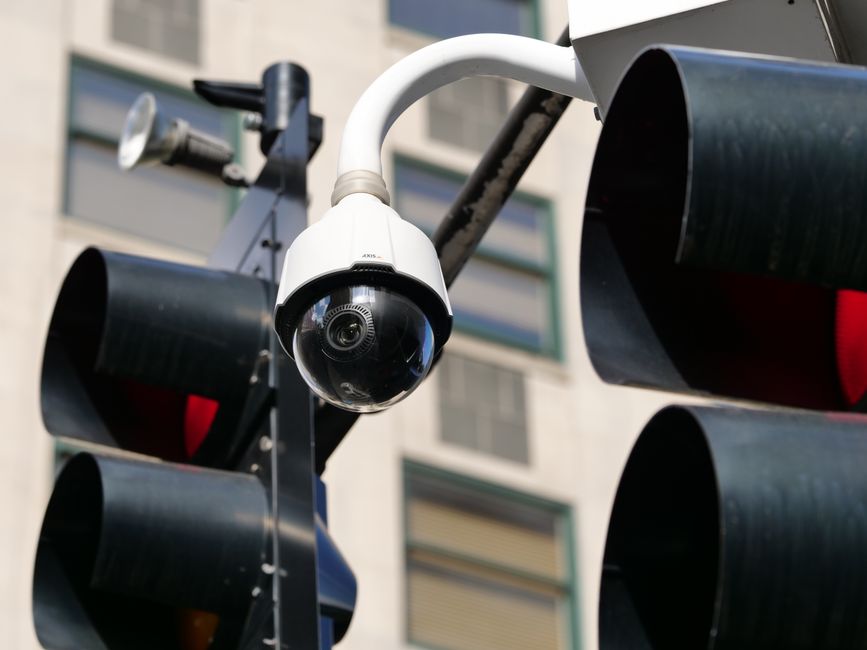
Let me be direct. CCTV has become almost ubiquitous in high-security environments. Museums, banks, jewelry stores — they all have multiple camera angles, often with high resolution and decent coverage. Yet theft still happens. Why?
The problem isn’t the cameras themselves. It’s what happens after they record. A typical museum might have dozens of cameras running 24/7. That’s roughly 2,000 hours of footage per camera per month. Now multiply that across the entire facility. You’re looking at tens of thousands of hours of video that security staff need to monitor, review, or search through when an incident occurs.
Humans are notoriously bad at sustained attention tasks. Studies show that security personnel watching live monitors start missing events after about 20 minutes. Their attention drifts. They get comfortable. When you’re watching for something that might never happen, your brain essentially puts itself on standby. A thief moving deliberately but not frantically through a museum? They might slip right past someone whose eyes are glazed over at a bank of screens.
And then there’s the post-incident analysis phase. After the Lalique theft, investigators need to search through footage to find the perpetrators, trace their movements, and understand their methods. Without smart search tools, that’s someone sitting down and watching hours of video manually. It’s tedious, error-prone, and time-consuming. The thief might have worn a mask or kept their face angled away from cameras. Finding them becomes like searching for a specific grain of sand on a beach.
What CCTV Actually Shows (And What It Doesn’t)
Here’s something that fascinates me from a data perspective: CCTV footage is retrospective. It shows you what happened, but it doesn’t tell you why or how someone got past your security measures. The camera catches the crime, but not necessarily the gap that allowed it.
Consider these practical limitations:
- Blind spots are inevitable. No matter how many cameras you install, there will be angles and corridors they don’t fully cover. A skilled thief studies these gaps before acting.
- Identity is harder than you’d think. Footage shows someone committing a crime, but proving it’s a specific individual? That requires additional data — matching faces to databases, cross-referencing with other evidence, building a case that holds up in court.
- Collaboration is hard to detect. If multiple people worked together, CCTV shows their movements but not necessarily their coordination. Did they communicate via radio? Hand signals? CCTV can’t tell you what they said or planned.
- Technical countermeasures exist. Sophisticated thieves know about camera positions and can dress or move in ways that make identification harder. They might cover their faces. They might wear gloves to avoid fingerprints. They’re not just evading what they see — they’re thinking about what they’ll leave behind.
The Integration Problem
What really interests me is how CCTV exists in isolation. Most museums rely on it as a primary security tool, but it works best as part of a broader system. Think of it as data that needs to connect with other data sources.
Access logs tell you when doors were unlocked. Motion sensors show where people moved. Thermal imaging reveals heat signatures. Alarm systems register triggers. When you combine these data streams, you get a much clearer picture than any single CCTV camera can provide.
But here’s the catch: integrating these systems is expensive, complex, and requires ongoing maintenance. Most institutions, even well-funded museums, don’t fully integrate their security data. So CCTV footage exists as an island — powerful on its own, but cut off from the bigger picture.
For the Lalique investigation, the CCTV footage will help identify suspects and trace their path through the museum. But solving the case completely likely depends on other evidence too: witness statements, forensic analysis, digital records of access codes being used, maybe even social engineering that led someone to unlock a display case.
The truth is, security — whether for museums, banks, or anywhere else — isn’t a technology problem alone. It’s a data integration problem. We have the tools to capture incredible amounts of information about what’s happening in physical spaces. The challenge is making sense of it all in real time and having the systems in place to act on it before something valuable gets stolen. Until we solve that integration puzzle, cameras will keep catching crimes after they happen, not preventing them before they do.
Source: Thieves steal Lalique jewels worth £3.5m from French museum
 Michael Torres
 Chris Sullivan