
The maker community is reeling from news that Raspberry Pi has announced its second significant price increase in just two months. This development marks a notable shift for a company that built its reputation on delivering affordable, accessible computing hardware to hobbyists, educators, and professionals worldwide. With price jumps ranging from $10 to $60 on models featuring 2GB or more RAM, the implications are substantial for anyone relying on these versatile single-board computers for their projects. Let’s explore what’s driving these changes, how they affect different user segments, and what alternatives makers might consider.
Understanding the Price Increase Impact
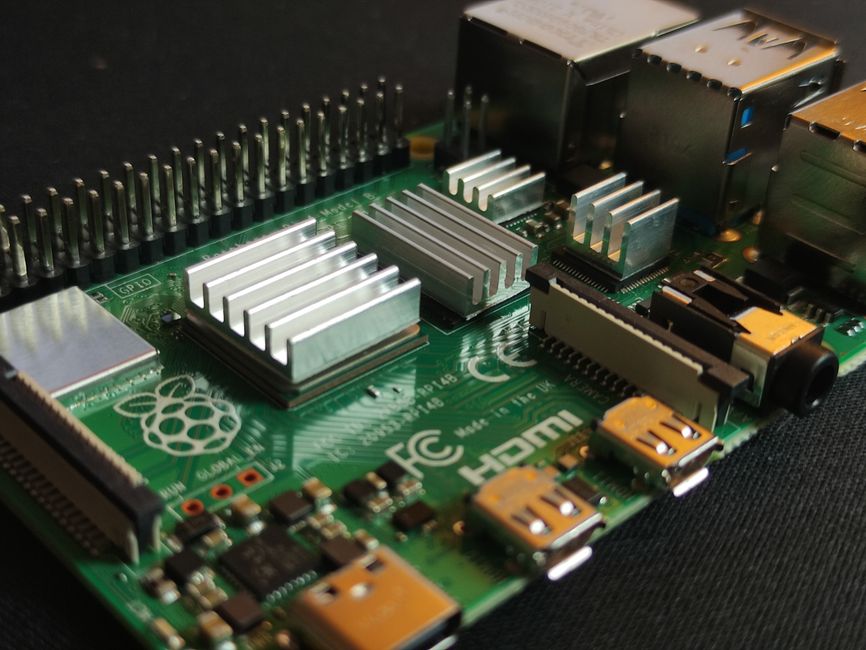
When Raspberry Pi announces a price hike, it sends ripples through the entire maker ecosystem. These compact computers have become foundational tools for countless applications, from home automation and robotics to machine learning experiments and educational initiatives. The timing of two consecutive increases within a 60-day window suggests that supply chain pressures and production costs are mounting significantly.
The price adjustments specifically target models with 2GB of RAM and higher configurations, which represent some of the most popular variants in the product lineup. This is particularly noteworthy because these mid-range options have traditionally served as the sweet spot for most users—powerful enough for serious projects yet affordable enough for experimentation without significant financial risk. A $60 increase on a high-end model effectively represents a 20-30% price bump depending on the specific configuration, which is substantial by any measure.
For individual makers and small hobbyist communities, these increases might mean reconsidering project budgets or postponing planned initiatives. For educational institutions, the impact could be more pronounced, as budget constraints often limit the number of units available for student projects. Schools that had planned to outfit computer labs or engineering programs with Raspberry Pi boards may need to scale back their ambitions or seek alternative funding sources.
The Broader Context: Supply Chain and Market Forces
To understand why Raspberry Pi is implementing these increases, it’s essential to consider the broader technological landscape. The global semiconductor shortage that peaked during 2021-2022 left lasting impacts on component availability and pricing. While the acute shortage has largely resolved, certain supply chain disruptions persist, and manufacturing costs remain elevated in many sectors.
Several factors contribute to sustained pressure on single-board computer pricing:
- Elevated semiconductor component costs that haven’t returned to pre-pandemic levels
- Increased manufacturing and logistics expenses
- Growing demand outpacing production capacity in some segments
- Currency fluctuations affecting international supply chains
- Competition for limited production resources across the computing industry
The Raspberry Pi Foundation, the organization behind these popular devices, has been transparent about these challenges. Unlike companies focused purely on maximizing shareholder returns, the Foundation operates with a mission to make computing accessible. Nevertheless, the organization must maintain financial sustainability to continue operations and fund future development.
Implications for Different User Communities
The price increases affect different segments of the maker community in varying ways. Professional developers and companies building commercial products may absorb these costs and pass them along to consumers. Hobbyists working on personal projects might find the increased investment harder to justify, potentially limiting the number or scope of projects undertaken. Educational institutions may face difficult decisions about scaling back computer science programs or seeking grants to maintain their current initiatives.
Students and newcomers to maker culture represent another vulnerable segment. The Raspberry Pi’s affordability has traditionally lowered the barrier to entry for people curious about programming, electronics, and hardware engineering. When prices climb significantly, that barrier rises correspondingly, potentially excluding some enthusiasts who would have otherwise discovered a passion for technology.
However, it’s worth noting that Raspberry Pi devices remain competitive in the single-board computer market when compared to alternatives offering similar specifications. Despite the increases, these tools still represent reasonable value for their capabilities, especially for applications requiring the specific performance characteristics and ecosystem support that Raspberry Pi offers.
Looking Forward: What Makers Should Consider
Facing these price increases, the maker community should consider several strategic approaches. First, purchasing inventory in advance of announced increases is always an option, though this requires capital and storage considerations. Second, evaluating whether projects truly require the higher-RAM variants might reveal opportunities to use less expensive Raspberry Pi models or even older versions still available on secondary markets.
Additionally, makers might explore alternative single-board computers that offer comparable functionality at different price points. The market includes various competitors providing similar capabilities, though they may have different strengths and community support levels. Diversifying projects across different platforms can also provide flexibility if Raspberry Pi prices continue climbing.
The Raspberry Pi Foundation has also shown commitment to maintaining lower-priced entry models, so those interested in basic computing projects may find options that still fit traditional budgets, even if premium configurations have become more expensive.
Conclusion
The second Raspberry Pi price increase in 60 days represents a challenging moment for the maker community, but it reflects real economic pressures affecting the entire technology sector. While these increases are undeniably frustrating for those building on tight budgets, they shouldn’t be viewed as the end of Raspberry Pi’s reign as an affordable computing platform. Rather, they signal a maturing product line where costs are being adjusted to reflect actual manufacturing and supply chain realities. Makers who have built projects around Raspberry Pi hardware should view this moment as an opportunity to reassess their needs, explore available options, and plan accordingly. The platform’s underlying value proposition—combining accessibility, capability, and community support—remains compelling even at higher price points, though new entrants to the maker space will face a higher financial threshold than their predecessors.
Source: RaspberryPihits makers with second price hike in 60… | The Tech Buzz
 Chris Sullivan
 James Holloway