
When the Raspberry Pi first launched in 2012, few could have predicted the global impact this credit-card-sized computer would have on education, hobbyist projects, and industrial applications. Over a decade later, Raspberry Pi Holdings has evolved from a nonprofit educational initiative into a significant player in the computing hardware space. As the UK tech sector experiences renewed momentum and investment, questions arise about whether Raspberry Pi can maintain its competitive edge and continue its impressive growth trajectory. The answer lies in understanding its unique market position, innovative business model, and strategic developments that set it apart from traditional semiconductor manufacturers.
The Unique Competitive Advantage of Raspberry Pi
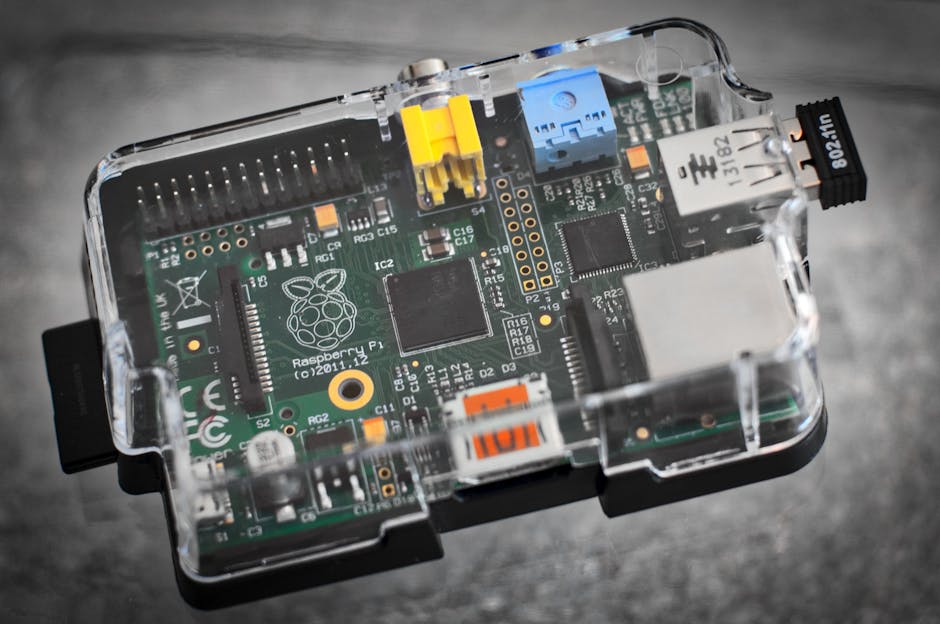
What makes Raspberry Pi fundamentally different from established semiconductor companies is its distinctive positioning in the market. While giants like Intel and AMD focus on high-performance, premium-priced processors for enterprise and consumer markets, Raspberry Pi has carved out a niche as the go-to platform for affordable, flexible computing solutions. This strategic differentiation provides several tangible advantages that competitors struggle to replicate.
The low-cost, high-flexibility approach appeals to an incredibly diverse audience. Students use Raspberry Pi to learn programming and computer science fundamentals without breaking school budgets. Hobbyists and makers leverage its capabilities for creative projects ranging from home automation systems to retro gaming emulators. Industrial IoT applications benefit from cost-effective computing power that can be deployed across thousands of devices. This versatility creates a massive addressable market that traditional chip manufacturers often overlook because individual transaction values are too small to justify their enterprise sales models.
Furthermore, Raspberry Pi’s commitment to accessibility extends beyond just pricing. The platform’s open nature, supported by comprehensive documentation and an engaged community, lowers barriers to entry for users at any skill level. This creates a virtuous cycle: more users generate more projects, more projects inspire innovation, and innovation attracts even more users to the ecosystem.
Understanding the Current Business Model and Recent Developments
Raspberry Pi Holdings operates on a fundamentally different business model than traditional semiconductor firms. Rather than relying primarily on volume-based pricing strategies or exclusive enterprise contracts, the company generates revenue through multiple streams that leverage its unique market position.
The primary revenue driver comes from direct hardware sales of Raspberry Pi boards and accessories. However, the company has smartly expanded its portfolio to include:
- Official peripherals and expansion boards that enhance functionality
- Industrial variants designed for professional applications
- Software services and support offerings
- Educational programs and certifications
- Enterprise solutions tailored for specific industries
Recent company developments demonstrate management’s strategic vision for future growth. The transition to public company status has provided capital for research and development, allowing Raspberry Pi to accelerate innovation cycles. New processor designs have brought improved performance while maintaining the affordability that defines the brand. The company has also invested heavily in supply chain resilience, a critical advantage demonstrated during the global semiconductor shortage that affected competitors far more severely.
Additionally, Raspberry Pi has strengthened its presence in emerging markets and industrial applications. Partnerships with educational institutions worldwide create long-term customer loyalty and brand recognition among the next generation of engineers and developers. These strategic investments position the company to capture market share in IoT, edge computing, and artificial intelligence applications—sectors expected to experience substantial growth over the coming decade.
Sustaining Momentum in a Competitive Landscape
The question of sustainability becomes increasingly relevant as Raspberry Pi matures and faces new competitive pressures. Several factors suggest the company can maintain its growth momentum, provided management executes well on strategic priorities.
First, the global trend toward decentralized computing and edge AI creates tailwinds for Raspberry Pi’s core value proposition. As organizations recognize the benefits of processing data closer to its source rather than sending everything to cloud servers, affordable, flexible computing platforms become essential infrastructure. Raspberry Pi is perfectly positioned to capitalize on this shift.
Second, the UK tech ecosystem itself is experiencing revitalization with increased venture capital investment, government support for technology companies, and a growing reputation as an innovation hub. Raspberry Pi, as a homegrown British success story, benefits from this rising tide and serves as an ambassador for UK technology capabilities on the global stage.
However, maintaining momentum requires continued innovation in product development, expansion into adjacent markets, and maintaining the community-first values that earned consumer loyalty. Competition will inevitably intensify as larger companies recognize the lucrative potential of the affordable computing segment. Raspberry Pi must ensure that its technical capabilities continue advancing while preserving the affordability and accessibility that define its brand identity.
Conclusion
Raspberry Pi Holdings stands at an exciting inflection point in its corporate evolution. The company’s unique competitive positioning as a low-cost, high-flexibility computing platform provides a sustainable foundation for continued growth, especially as global markets increasingly demand edge computing solutions and affordable IoT devices. With a business model diversified across hardware, software, and services, combined with strategic investments in innovation and market expansion, Raspberry Pi appears well-equipped to sustain its momentum. While challenges remain—including increasing competition, supply chain management, and the need for continuous technological advancement—the company’s track record, community support, and alignment with emerging technology trends suggest a promising future. For investors, customers, and the broader tech community, Raspberry Pi represents a compelling example of how strategic positioning and unwavering commitment to core values can create lasting competitive advantage in a rapidly evolving industry.
Source: Can Raspberry Pi Holdings Sustain Its Momentum Amid UK Tech …
 Michael Torres
 Natalie Foster
 Chris Sullivan