
The technology landscape is undergoing a profound transformation, and at the heart of this revolution sits an unassuming device no larger than a credit card: the Raspberry Pi. What began as an educational project to teach programming to students has evolved into a powerhouse platform that’s reshaping how developers, makers, and enterprises approach computing. As the wireless mini PC market experiences explosive growth, single-board computers like the Raspberry Pi are playing an increasingly central role in driving innovation across industries. This surge isn’t coincidental—it’s driven by fundamental shifts in how we work, communicate, and build technology solutions.
The Evolution of Single-Board Computing
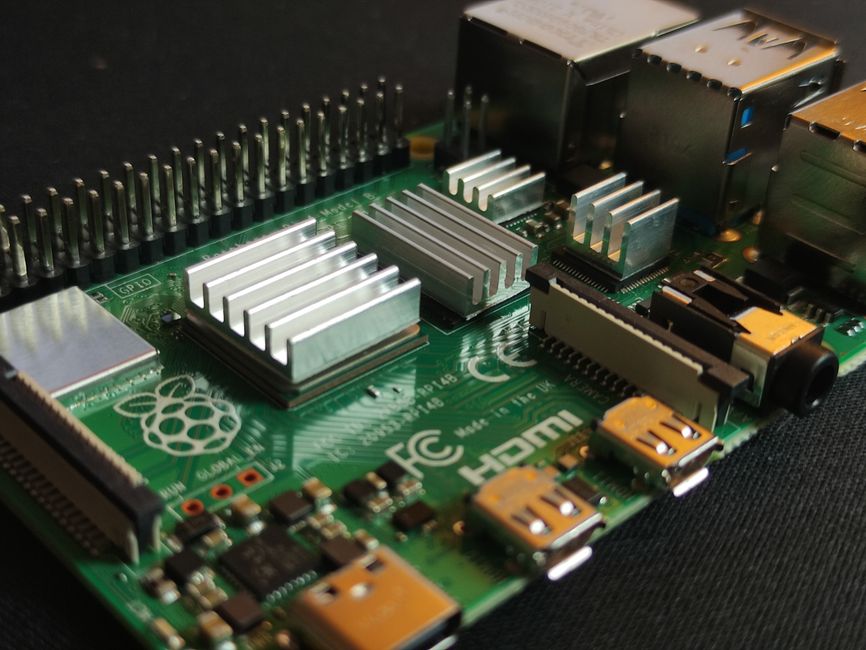
Raspberry Pi’s journey from a niche educational tool to a mainstream computing platform represents one of the most significant democratizations of technology in recent history. Launched in 2012, the Raspberry Pi Foundation created something revolutionary: affordable, accessible computing hardware that didn’t require a computer science degree to operate. The device packed surprising computing power into a form factor that was neither intimidating nor expensive.
Over the years, successive generations of Raspberry Pi boards have become increasingly capable. Modern iterations offer performance that would have been unimaginable on early models, yet they maintain the core appeal that made the original attractive: affordability, simplicity, and flexibility. Today’s Raspberry Pi 5, for instance, delivers processing power rivaling laptops from just a few years ago, all while consuming minimal power and fitting in your pocket.
This evolution has created a unique market position. Unlike traditional computers that serve general purposes, or specialized embedded systems that are locked into specific applications, single-board computers occupy a sweet spot. They’re powerful enough for serious development work, yet constrained enough to teach fundamental computing principles. They’re affordable enough for hobbyists, yet capable enough for commercial deployment.
Driving Forces Behind Market Expansion
The global market analysis for wireless mini PCs and single-board computers reveals several interconnected factors propelling growth. Perhaps most significantly, the shift toward hybrid and remote work has fundamentally changed computing needs. Companies and individuals no longer require bulky desktop setups for productivity. Instead, they seek compact, efficient, and flexible computing solutions that can operate anywhere.
The following factors are particularly influential:
- Edge Computing Demands: As organizations process data closer to its source rather than sending everything to centralized servers, they need distributed computing nodes. Raspberry Pi and similar devices serve as ideal edge computing platforms, handling local processing while reducing bandwidth requirements and latency.
- IoT Proliferation: The Internet of Things requires billions of connected devices. Single-board computers provide the intelligence necessary for smart devices without the cost and complexity of traditional computing solutions.
- Educational Initiatives: Governments and educational institutions worldwide continue investing in STEM education. Raspberry Pi’s affordability makes it the go-to platform for teaching programming and electronics to the next generation of developers.
- Developer Community Growth: A thriving ecosystem of third-party software, operating systems, and hardware add-ons has made Raspberry Pi extraordinarily versatile. This network effect attracts more developers, further strengthening the platform.
- Sustainability Concerns: Small-form-factor computers consume significantly less power than traditional PCs, aligning with growing corporate and consumer focus on environmental responsibility.
Global Market Dynamics and Regional Insights
The wireless mini PC market isn’t developing uniformly across the globe. Different regions face distinct opportunities and challenges that shape their adoption patterns and growth trajectories. Market analysis reveals that developed economies with strong technology infrastructure and high labor costs have been early adopters, using these platforms to optimize operational efficiency and reduce computing expenses.
Emerging markets present different opportunities. Where traditional computing infrastructure remains expensive or underdeveloped, single-board computers offer a more accessible entry point into the digital economy. Countries investing heavily in digital transformation are particularly receptive to affordable, flexible computing solutions that can be rapidly deployed and scaled.
Manufacturing concentration and supply chain considerations also vary regionally. The availability of skilled labor, proximity to component suppliers, and regulatory environments all influence where mini PC manufacturing and development concentrate. Understanding these geographic nuances is crucial for businesses developing products or services in this space.
Looking Toward 2035: Future Trajectories
Market forecasts extending through 2035 suggest that single-board computers will continue their growth trajectory, but perhaps in unexpected directions. As these devices become more powerful, they’ll increasingly blur the line between traditional single-board computers and mini-PCs. This convergence will likely create new product categories and use cases that we’re only beginning to imagine.
The developer community will be fundamental to this evolution. As more programmers build applications and services on Raspberry Pi hardware, the ecosystem becomes increasingly valuable. This virtuous cycle—more developers attract more users, which motivates more software development—has characterized successful computing platforms throughout history.
Artificial intelligence and machine learning integration represents another frontier. As these technologies become increasingly important, developers need affordable platforms for experimentation, prototyping, and deployment. Single-board computers are well-positioned to meet this need, offering enough computational capacity for practical AI applications while remaining accessible to a broad developer base.
Challenges and Considerations
Despite their tremendous potential, single-board computers face ongoing challenges. Supply chain vulnerabilities have periodically created availability issues. Security considerations become increasingly important as these devices move from hobbyist projects to critical infrastructure. Performance limitations, while constantly improving, still constrain certain applications.
However, these challenges have historically spurred innovation rather than stifled growth. The Raspberry Pi community’s response to each obstacle—whether through hardware improvements, software solutions, or creative workarounds—demonstrates the platform’s resilience and adaptability.
Conclusion
The Raspberry Pi and the broader single-board computer market represent far more than just another consumer gadget. They embody a fundamental shift in how we approach computing: more distributed, more accessible, and more creative. As remote work becomes permanent, edge computing becomes essential, and developers demand flexible platforms, these devices will continue playing an increasingly important role in global technology infrastructure.
From now through 2035, we should expect not just market expansion but evolution in how single-board computers are used and perceived. The trajectory suggests a future where these devices become as ubiquitous as smartphones, seamlessly embedded in the infrastructure that powers our homes, businesses, and communities. For developers, makers, educators, and business leaders, understanding and engaging with this platform isn’t optional—it’s an investment in the future.
Source: Wireless Mini Pc Market Analysis and Growth Outlook to 2035 – News and …
 Michael Torres
 Natalie Foster
 Chris Sullivan