
When police hold back evidence in a high-profile case, people want answers. And they usually want them immediately. So when officers explained their decision not to release CCTV footage of a prime suspect, it opened up a much bigger question that most of us never think about: who actually gets to decide what the public sees during an active investigation?
The instinct to release footage makes sense on the surface. CCTV is visual, it’s compelling, and it feels like solid evidence. Show the public what you’ve got, and surely more eyes mean more leads, right? But the reality is messier. There’s a whole set of rules—some written, some just understood—that govern what goes public and when. And those rules exist for reasons that aren’t always obvious.
The Strategic Problem With Releasing Too Much
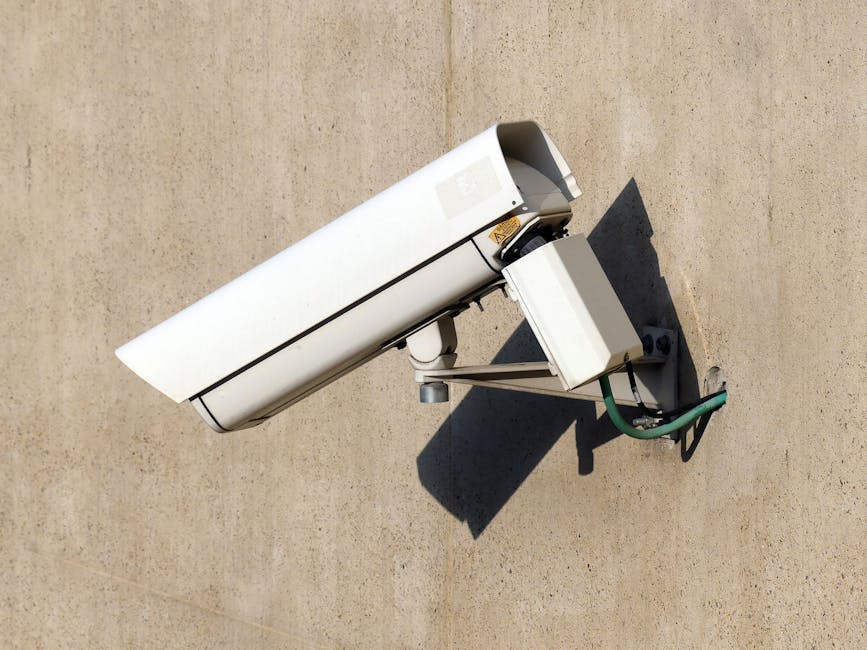
Here’s something that rarely gets discussed: releasing CCTV footage of a suspect too early can actually harm an investigation. Sounds backwards, I know. But think about it from an investigator’s perspective. Once footage is public, the suspect knows exactly what police have. They know the angles, the timestamps, the quality of the image. They can prepare their story accordingly. They can coach witnesses or dig in harder on an alibi.
There’s also the matter of false leads. Release a suspect’s image and you’ll get hundreds of tip-offs. Some genuine, many not. Police have limited resources, and chasing down bad information wastes precious time. Every officer following up on a spurious call is an officer not working on actual evidence.
Then there’s the legal angle. CCTV footage might show something—or someone—that becomes important later in ways investigators don’t yet understand. Releasing it publicly sets a timeline. It establishes when the public knew what. That can complicate prosecutions. A good defence lawyer will use public disclosure against you if they can.
Police also need to protect the integrity of their case. If they release footage and the public identifies the wrong person, or if someone confesses to something they saw on the news rather than something they actually witnessed, the whole investigation gets muddied. The chain of evidence matters in court, and public involvement can muddy that chain in ways that are hard to unpick later.
The Fine Line Between Transparency and Interference
There’s genuine tension here between two legitimate interests. The public has a right to information. We live in democracies where accountability matters. Police shouldn’t operate in complete secrecy. But investigations also need space to work. They need some shield from public pressure and media scrutiny, at least temporarily.
The real problem is that there’s no perfect formula. Every case is different. Sometimes releasing footage helps. Sometimes it hurts. Police have to make judgment calls based on incomplete information and under pressure. Get it wrong and you’re either compromising your investigation or you’re accused of covering something up.
What frustrates me as a journalist is that police often explain these decisions poorly. They’ll give legal reasons or operational ones, but they rarely spell out the actual thinking in a way that helps people understand. That creates a vacuum. And people fill vacuums with suspicion.
The Bigger Picture About What We See
This isn’t just about one case or one decision. It’s about how information flows in criminal investigations more broadly. CCTV is everywhere now. Cameras on high streets, in shops, on traffic lights. Most investigations involve footage. Most involve decisions about what to release.
Those decisions shape what we know about crimes. They shape public opinion. They can affect how safe people feel in their communities. Yet these calls are often made by junior officers or communications teams with limited guidance and mounting pressure from above.
I think we need more clarity about how these decisions get made. Not necessarily releasing footage sooner—I’m not arguing that. But being clearer about why. Letting people understand the logic. Explaining what police are worried about. Building trust through transparency about process, even if you can’t be transparent about evidence.
Because right now, when police hold back CCTV, people guess at reasons. And they usually guess the worst ones.
Source: Police issue major CCTV update on Ann Widdecombe murder
 Michael Torres
 David Nguyen
 Chris Sullivan