
A few years back, I was working on a project for a major utility company. We were building monitoring systems for their grid infrastructure, and I remember one engineer casually mentioning that their entire network had been probed by state-sponsored actors the previous quarter. Not actually breached—just probed. Testing defenses. It stuck with me.
That conversation feels more relevant now than ever. Across America, people are increasingly worried about the stability of centralized power grids, and for good reason. The combination of real cyberattacks, geopolitical tensions, and shifting federal policy is creating a perfect storm that’s driving ordinary homeowners toward rooftop solar installations. It’s not just about saving money on electricity bills anymore. It’s about resilience, independence, and honestly, anxiety about what could happen if someone decides to take a swipe at the grid.
The Real Threat Is Growing
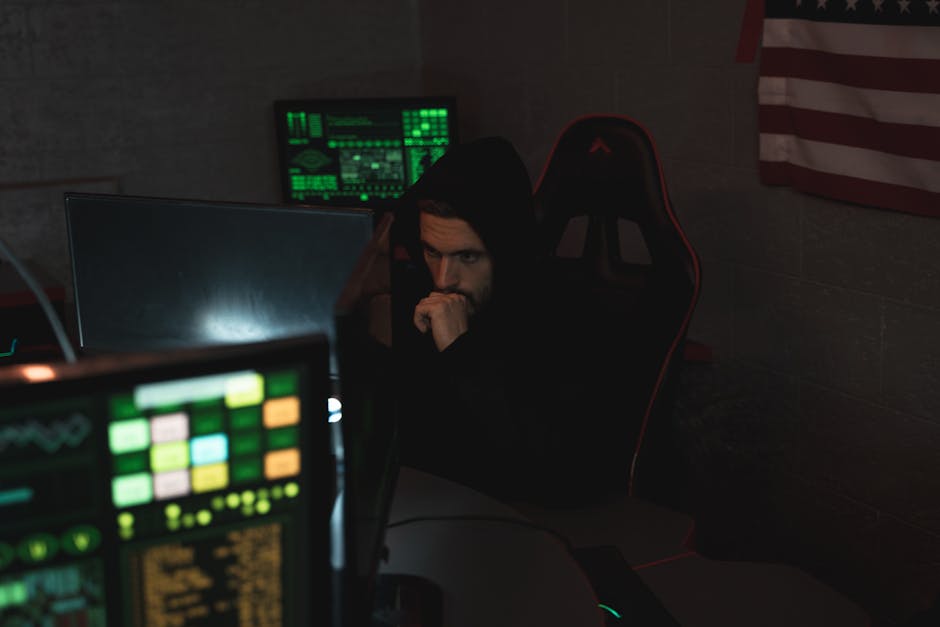
Let me be clear: cyberattacks on power infrastructure aren’t hypothetical. They’re happening. We’ve seen attacks on utilities across the U.S., and other countries have demonstrated devastating capabilities against power systems. When you start digging into the technical details—which I have, because it’s hard not to when you work in this space—you realize how interconnected and vulnerable these systems actually are.
The problem is that critical infrastructure was often designed decades ago. Security wasn’t a primary concern. Now you’ve got legacy systems running alongside modern networks, all connected, all potentially exploitable. A clever attacker doesn’t necessarily need to destroy anything. They just need to create disruption. Blackouts. Cascading failures. Confusion.
The geopolitical angle makes this worse. When major world powers are publicly making noise about their cyber capabilities, and when you see the kinds of attacks that have already happened in Ukraine or Estonia, it becomes hard to dismiss these concerns as paranoia. They’re grounded in reality.
Solar Becomes the Practical Answer
Here’s where home solar comes in. People aren’t stupid. They see the threat, and they’re looking for solutions that make sense financially and practically. A rooftop solar system with battery storage gives you something that centralized power never can: independence from the grid itself.
From a technical standpoint, distributed solar generation is inherently more resilient than centralized grid infrastructure. If one house loses power, its solar system can still generate and store electricity locally. If the entire grid goes down, a home with solar and batteries can keep critical systems running. A refrigerator. Medical equipment. Communication devices. This isn’t theoretical—I’ve watched people install systems specifically for this reason.
The financial incentive has gotten better too. Federal tax credits, state rebates, and improving battery technology have made home solar more accessible. When you combine genuine security concerns with actual financial returns, the decision becomes easier. You’re not just hedging against doomsday scenarios. You’re making a practical investment in your home’s infrastructure.
Federal Policy Is Shifting the Playing Field
Policy matters here more than most people realize. Government support for renewable energy has been inconsistent, but recent years have seen a shift toward incentivizing distributed generation. This sends a signal: the future isn’t about relying entirely on centralized power anymore. It’s about decentralization, resilience, and individual homes becoming mini power stations.
That policy shift has real effects. It makes manufacturers invest in better solar and battery technology. It encourages installers to build expertise. It normalizes the conversation about energy independence. I’ve noticed in my own circles—both technical and casual—that solar used to be something fringe environmentalists pushed for. Now it’s something normal homeowners discuss over coffee.
It’s Not Perfect, But It’s the Direction We’re Moving
I’m not saying rooftop solar solves everything. The grid is still critical infrastructure for apartments, cities, and heavy industrial users. We can’t go fully distributed overnight. But what we’re seeing is a rational response to real problems. People are reducing their dependence on centralized systems that might be vulnerable to attacks they have no control over.
From a technical perspective, this is actually healthy. Distributed systems are more resilient by design. They fail gracefully. And as more homes generate and store their own power, the overall grid becomes less critical for everyday survival, which paradoxically makes it easier to protect.
The anxiety people feel isn’t unfounded. The geopolitical threats are real. The cyberattack risk is genuine. But instead of just worrying, people are taking action. They’re installing solar. Building resilience. Making themselves less dependent on systems they can’t control. That’s not paranoia. That’s engineering thinking applied to home energy. And honestly, it makes sense.
Source: Grid War: How Geopolitics And Anxiety Drive Home Solar
 David Nguyen
 Chris Sullivan
 Laura Bennett