
The Raspberry Pi has revolutionized the world of electronics and computing, making advanced technology accessible to hobbyists, students, and professionals alike. What started as a humble single-board computer designed to teach programming has evolved into a powerful platform that powers everything from home automation systems to industrial IoT applications. Whether you’re a complete beginner or an experienced electronics enthusiast, the Raspberry Pi ecosystem offers endless possibilities for learning and innovation. In this comprehensive guide, we’ll explore what makes Raspberry Pi such a game-changer and how you can leverage its capabilities for your next project.
Understanding the Raspberry Pi Ecosystem
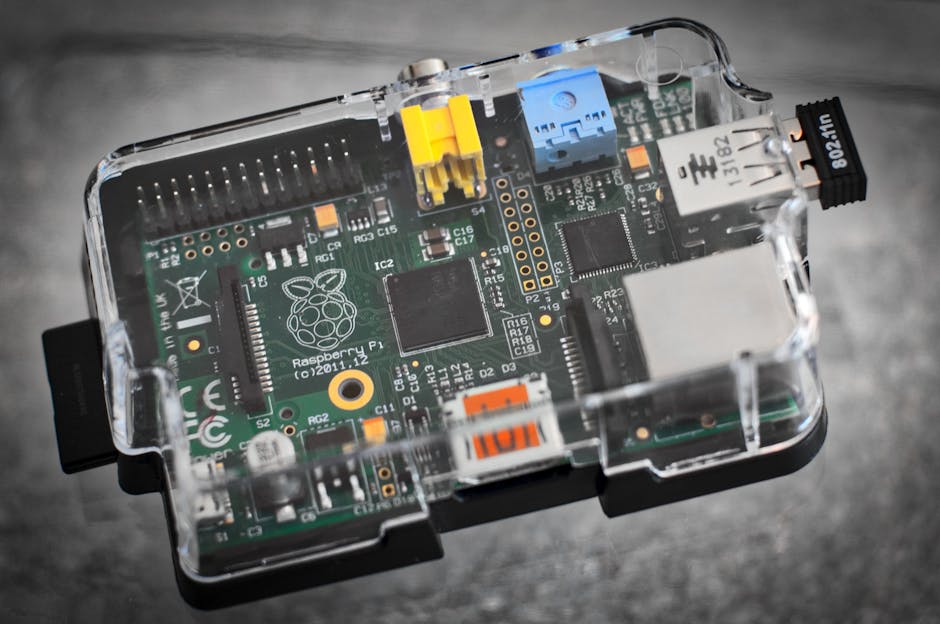
The Raspberry Pi family has grown significantly since its initial release, offering various models tailored to different needs and budgets. The ecosystem includes the traditional Raspberry Pi boards, the more compact Raspberry Pi Pico with its microcontroller capabilities, and specialized variants designed for specific applications. Each model brings unique advantages to the table, from the full-featured Raspberry Pi 4 with its desktop computing capabilities to the lightweight Pico perfect for embedded systems and real-time applications.
The beauty of the Raspberry Pi platform lies in its versatility. Unlike traditional microcontrollers, Raspberry Pi boards run a complete operating system, typically Linux-based distributions like Raspberry Pi OS. This means you can leverage a vast ecosystem of software, libraries, and tools developed by the global open-source community. Whether you need to perform complex data processing, create graphical user interfaces, or manage network communications, the Linux foundation provides robust support for these tasks.
The hardware specifications of modern Raspberry Pi boards are impressive for their price point. With multi-core processors, dedicated GPU acceleration, sufficient RAM for most applications, and multiple connectivity options including Ethernet and wireless capabilities, these devices punch well above their weight in terms of performance-to-cost ratio. This democratization of computing power has spawned a vibrant community of creators, developers, and educators who constantly push the boundaries of what’s possible with these little boards.
Building Interactive Projects with LEDs and Digital Displays
One of the most popular applications for Raspberry Pi boards involves creating interactive projects with LED displays and digital interfaces. The flexibility of GPIO pins and the availability of numerous driver libraries make it straightforward to control external hardware components. A practical example would be creating an adjustable LED clock display that showcases time in an eye-catching format, combining both functionality and visual appeal.
When working with LED displays and digital circuits, the Raspberry Pi Pico emerges as an excellent choice due to its real-time processing capabilities and lower power consumption compared to its larger siblings. The Pico’s microcontroller approach allows for precise timing control, essential when working with display multiplexing, timing-critical operations, and synchronized LED patterns. Developers can write efficient C or MicroPython code that executes directly on the hardware without the overhead of a full operating system.
Integration of multiple components opens up exciting possibilities. For instance, combining an LED display clock with a binary counter creates an educational platform that teaches digital electronics principles while maintaining practical utility. Such projects demonstrate how different electronic components can work together harmoniously, and how the Raspberry Pi can orchestrate these interactions through its software layer. Students and enthusiasts can modify these projects to explore concepts like multiplexing, digit encoding, and real-time clock management.
The prototyping process is simplified by the extensive documentation and community resources available online. Countless tutorials, code repositories, and forum discussions help troubleshoot issues and provide inspiration for new directions in project development. This supportive ecosystem significantly reduces the learning curve for newcomers to electronics and embedded systems programming.
Educational and Professional Applications
Beyond hobbyist projects, Raspberry Pi has established itself as a valuable tool in educational settings and professional environments. Universities use these platforms in computer science curricula, allowing students to understand hardware-software interaction in a practical context. The affordability means institutions can provide hands-on learning experiences without prohibitive costs, democratizing access to electronics education.
Professionally, Raspberry Pi devices power numerous applications across industries. In IoT implementations, they serve as edge computing devices that collect sensor data, perform preliminary analysis, and communicate with cloud infrastructure. In manufacturing, they control machinery and monitor equipment health. In retail, they power digital signage and point-of-sale systems. This wide adoption creates a virtuous cycle where more third-party manufacturers develop compatible accessories, modules, and software solutions, further expanding the platform’s capabilities.
The scalability of Raspberry Pi solutions is remarkable. A single board can handle modest workloads, but clustering multiple boards together creates surprisingly powerful computing systems. This approach offers a cost-effective alternative to traditional servers for many applications, especially those requiring distributed computing or enhanced redundancy.
Overcoming Common Challenges
While Raspberry Pi is relatively beginner-friendly, users often encounter common challenges worth understanding upfront. Power supply considerations are critical—many issues stem from inadequate power delivery to the board or connected peripherals. Similarly, heat dissipation becomes important when running computationally intensive tasks, particularly with newer high-performance models.
Software optimization is another consideration. Running a full Linux operating system on modest hardware means developers should write efficient code and be mindful of resource utilization. Understanding process management, memory constraints, and choosing appropriate programming languages for specific tasks becomes increasingly important as projects grow more complex.
The Future of Raspberry Pi
The Raspberry Pi foundation continues innovating and releasing new models that push performance boundaries while maintaining the core philosophy of accessibility and affordability. Emerging applications in artificial intelligence, machine learning, and advanced robotics showcase the platform’s evolving capabilities. As more professionals recognize the potential of Raspberry Pi in production environments, the ecosystem will likely expand further with enterprise-grade tools and support options.
In conclusion, the Raspberry Pi represents far more than just an inexpensive computer—it’s a gateway to understanding how technology works at a fundamental level. Whether you’re building an LED clock project, developing an IoT application, or teaching the next generation of engineers, the Raspberry Pi platform provides the flexibility, power, and community support needed to bring your ideas to life. The convergence of affordable hardware, open-source software, and a passionate global community has created an ecosystem unmatched in accessibility and potential. Now is an excellent time to dive into Raspberry Pi and discover what you can create.
Source: LatestRaspberryPiElectrical Engineering & Electronics Articles
 Chris Sullivan
 James Holloway