
A few years back, I was brought in to help a client review security camera footage for an incident at their facility. Nothing as dramatic as what happened at that zoo in Cambridgeshire, but it gave me real insight into how CCTV systems actually work in practice—and how they fail. When I read about investigators examining footage from a zoo to build a case around a serious incident, it brought back a lot of what I learned about video surveillance, evidence handling, and the technical reality of catching crimes on camera.
Why CCTV Matters More Than Most People Think
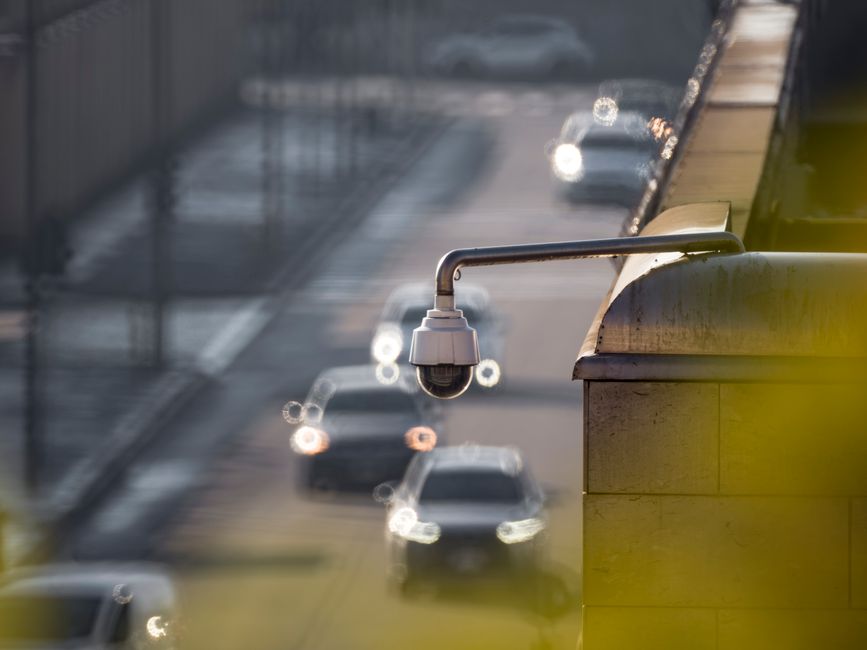
Video surveillance gets talked about like it’s some kind of magic solution. People assume cameras are always rolling, always clear, always perfectly positioned. That’s not how it works. In real investigations, CCTV footage is often frustratingly incomplete. Angles are bad. Resolution is poor. Storage gets overwritten. Frame rates are too low to catch crucial moments clearly.
But when it does work—when you have decent footage from the right angle at the right time—it becomes the strongest piece of evidence you can have. It’s objective in a way that witness testimony isn’t. A video doesn’t have a memory problem or a bias. It shows what happened.
In the case of the investigation mentioned in that Telegraph article, the major crime unit’s decision to examine CCTV from the zoo makes complete sense. They’re building a case that requires proof of what actually occurred. Video evidence can establish timeline, show who was where, and demonstrate what actions were taken. That’s why it’s worth the time and resources to pull and review it.
The Technical Side of Reviewing Surveillance Footage
Once footage is flagged as evidence, there’s a whole process around it. You can’t just watch it casually and make conclusions. The chain of custody matters. The original files need to be preserved. Copies are made for analysis so the originals stay untouched. This is where things get technical and tedious.
When I’ve worked with security systems, I’ve seen:
- Footage stored on DVRs that cycle through and overwrite after a set period—sometimes just days, sometimes weeks depending on the system
- Multiple camera feeds that need to be synchronized to understand what happened when
- Compression issues that make crucial details pixelated or unclear
- Timestamp discrepancies between cameras running on slightly different clocks
- Gaps in coverage because cameras don’t cover every angle
Investigators have to work with what they’ve got. Sometimes that’s excellent quality footage. Sometimes it’s barely usable video that still happens to show the critical moment. The investigation referenced in the Telegraph piece would have needed to pull footage from multiple cameras at the zoo, likely covering different areas and time periods, then correlate what they show.
What Makes CCTV Analysis Actually Useful in Cases Like This
Examining footage in a neglect or abuse case is different from reviewing security tape for a shoplifting incident. You’re not just looking for one moment—you’re building a pattern. You’re looking for how people interact with animals in their care. What the conditions are. How long animals are left unattended. Whether safety protocols are followed.
That requires watching hours of footage, often at normal speed, to see routines and behaviors. It’s mind-numbing work. But it’s how you establish whether someone was genuinely negligent or whether they just made one bad mistake. You’re building context.
Police forces understand this. That’s why major crime units have people dedicated to reviewing video evidence. They know how to spot inconsistencies. They know what questions to ask based on what the footage shows—or doesn’t show.
The Bigger Picture on Why Zoos Need Good CCTV Systems
After working in tech for years, I can tell you that most organizations don’t invest enough in their security systems until something goes wrong. Then suddenly everyone wants cameras everywhere. Zoos are unique because they’re responsible for animal welfare and public safety. Good CCTV coverage isn’t just nice to have—it’s actually essential.
A properly designed system should cover feeding areas, enclosures, employee workspaces, and any location where animals could be at risk. The footage should be stored long enough that incidents can be investigated even if they’re reported days later. Resolution should be high enough to identify people and see what they’re actually doing, not just moving shapes in the dark.
When allegations of neglect surface, like they did in this case, having solid video evidence is the fastest way to get answers. It protects both the animals and the staff members who might be wrongly accused. It also protects the organization by creating an accurate record of what happened.
The investigation into the carers involved in this case likely hinges heavily on what that CCTV footage shows. In situations like this, video evidence often tells the clearest story—if the system was set up properly in the first place. That’s worth remembering every time a facility cuts corners on security infrastructure.
Source: Carers of suspected crocodile pit pusher investigated over neglect concerns
 David Nguyen
 Natalie Foster
 Michael Torres